Cordillera Blanca — Beginner

Pisco

5,752m
Summit altitude
PD
Technical grade
3 days
2 nights
May–Sep
Best season

The climbing route

Three stages,
one summit

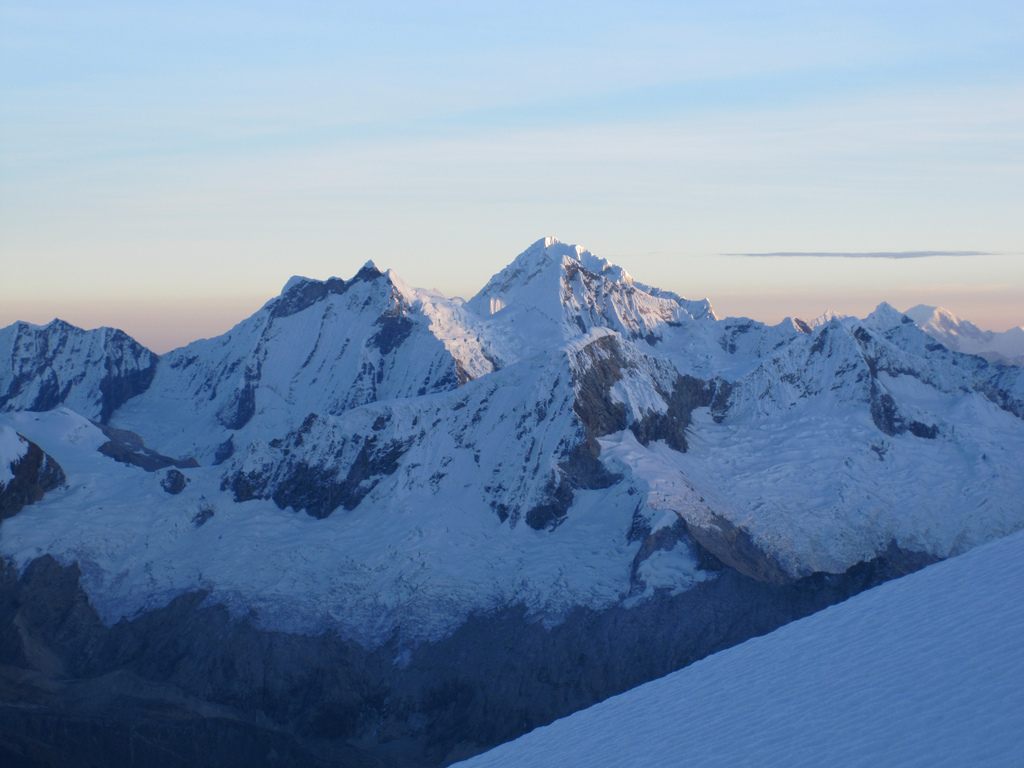
One of the most popular mountains in the Cordillera Blanca, with views of Huascarán, Chopicalqui, the Huandoys and Chacraraju — relatively easy to climb, with no prior mountaineering experience required if you go with a certified guide. Tap a stage to see it on the profile.
Ascent profile STAGE 01
1 Cebollapampa 2 Base Camp 3 Summit
01
Stage 1 — Transfer to Cebollapampa

Transfer to Cebollapampa

Huaraz → Cebollapampa

3,900m
Altitude

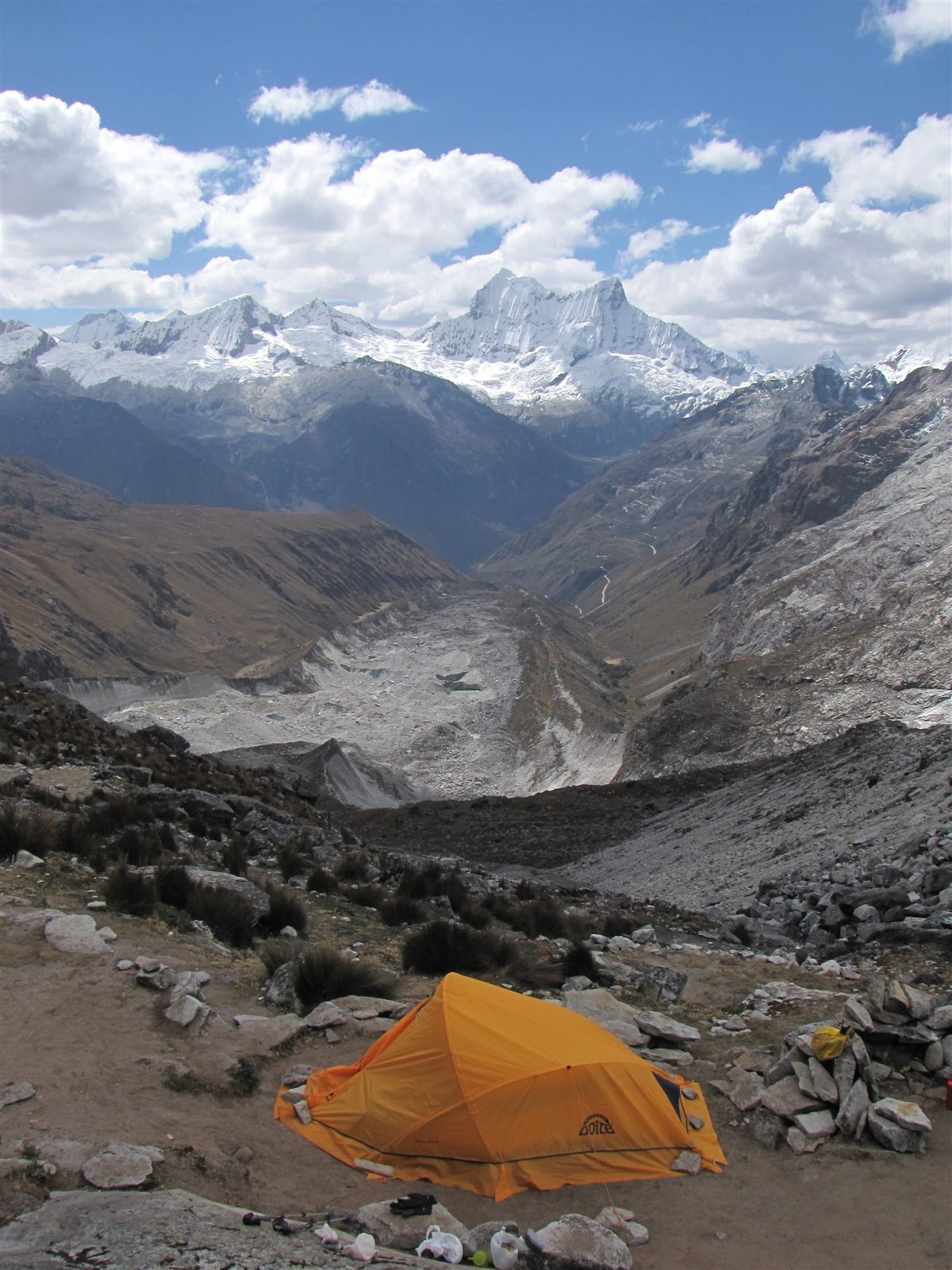
Private bus transfer from Huaraz to Cebollapampa, the starting point of the approach walk toward Base Camp.
Transfer
02
Stage 2 — Pisco Base Camp / Refuge

Ascent to Base Camp

Cebollapampa → Base Camp / Pisco Refuge

750m
Elevation gain
4,650m
Altitude
3–4h
Duration

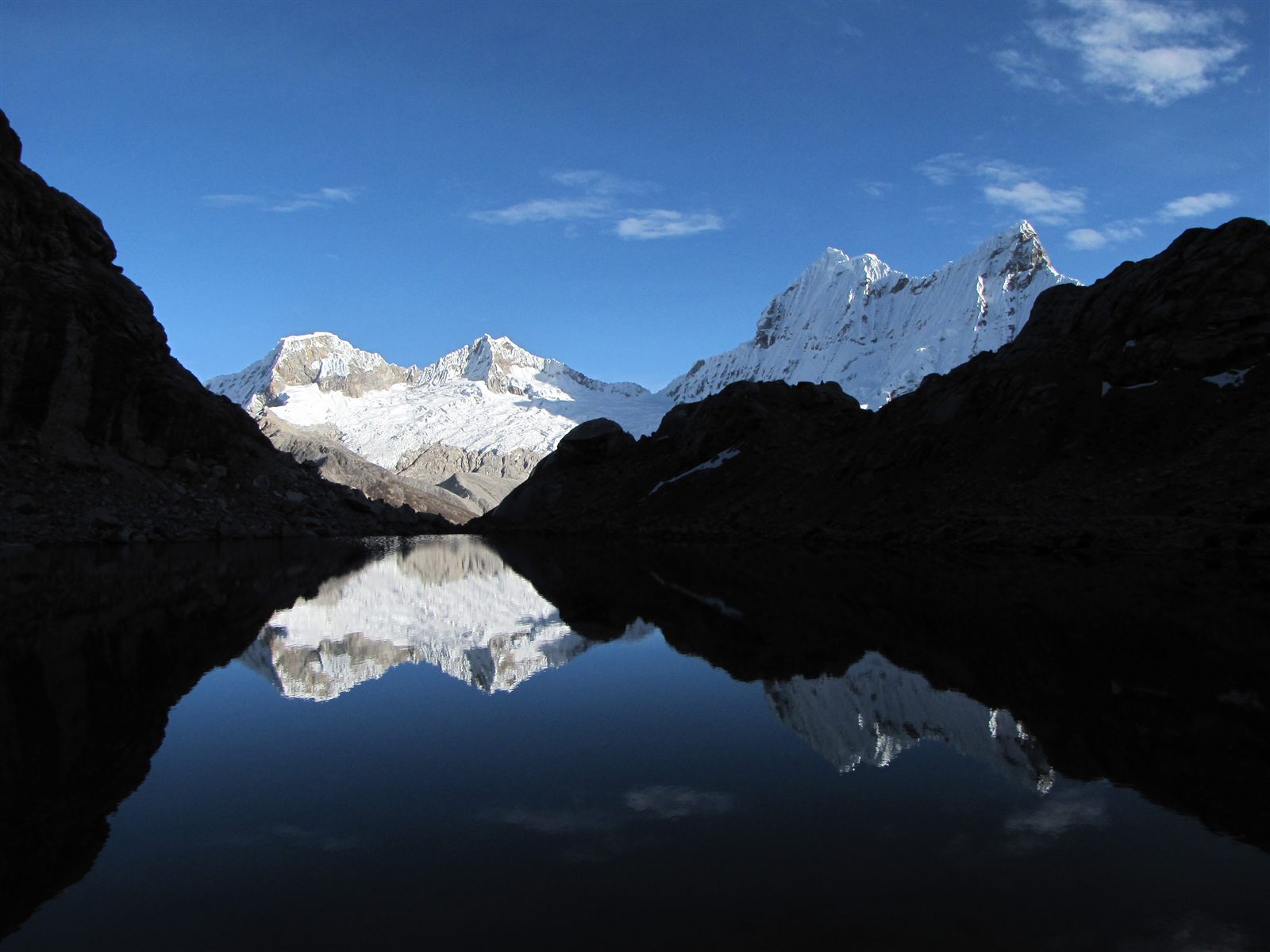
3 to 4-hour walk up to Base Camp or the Pisco Refuge, with close views of Huandoy and Chacraraju. In the afternoon, briefing and gear check of group and personal equipment ahead of summit day.
Moraine
03
Stage 3 — Pisco Summit

Summit day

Base Camp → Pisco Summit (5,752m) → Base Camp

1,102m
Elevation gain
~10–11h
Duration (round trip)

Departure around midnight or 1am, with a light breakfast. About 2.5 hours through the moraine and then about 4 hours on the glacier up to the summit (5,752m), with views of Huandoy, Huascarán, Chopicalqui, Chacraraju, Alpamayo and Artesonraju — one of the best in the entire Cordillera Blanca. Descent by the same route down to Base Camp, where the second night is spent.

GlacierPD

Descent: on the third day, breakfast around 8am and a 3-hour descent from Base Camp to Cebollapampa, where the bus waits for the return to Huaraz (with the option of an optional side trip on foot to Laguna 69). Typical farewell dinner in the evening in Huaraz.

Before you book

What's included
in your climb

Everything you need to climb worry-free — personal gear is on you.

Included

  • 5 meals a day (breakfast, snack, lunch, tea time, dinner)
  • Certified mountain guide (AGMP–UIAGM), speaks English
  • First-aid kit
  • Certified cook
  • Private transport
  • Muleteer and donkeys
  • Porters
  • 4-season sleeping tent (3-person, used for 2)
  • Special sleeping pad
  • Kitchen tent, dining tent and bathroom tent (base camp)
  • Group climbing gear (crampons, harness, ice axe, rope, helmet)
  • Full kitchen and dining equipment
  • Hot water for washing and boiled water for your bottle every day
  • Dinner and a typical drink on the last day
  • Emergency communication equipment: Garmin GPS and satellite phone

Not included

  • Travel and health accident insurance
  • Huascarán National Park entrance fee (S/150 per person)
  • Emergency horse (trekking sections)
  • Baggage and trip cancellation insurance
  • Meals and drinks not mentioned
  • First breakfast
  • Personal expenses
  • Personal climbing gear — sleeping bag, headlamp (rental available in Huaraz)
  • Snow goggles, appropriate clothing, personal medication
  • Tips

What to bring

  • Day pack + sturdy waterproof duffel bag
  • Layered clothing: long-sleeve shirts, t-shirts, fleece or wool, lightweight pants
  • Thermal underwear (regular and long)
  • Mid-weight parka (down or synthetic)
  • Warm hat, light hat, gloves (regular and lightweight)
  • Rain poncho
  • Socks, trekking boots
  • Sleeping bag (-10° to 0°C)
  • Water bottle, sunglasses, sunscreen
  • Headlamp with spare batteries, towel
  • Technical gear: 1 ice axe, 2 locking carabiners, 1 daisy chain, 1 ATC belay device, 1–2 prusik cords, harness