Cordillera Blanca — Remote circuit
The circuit, day by day
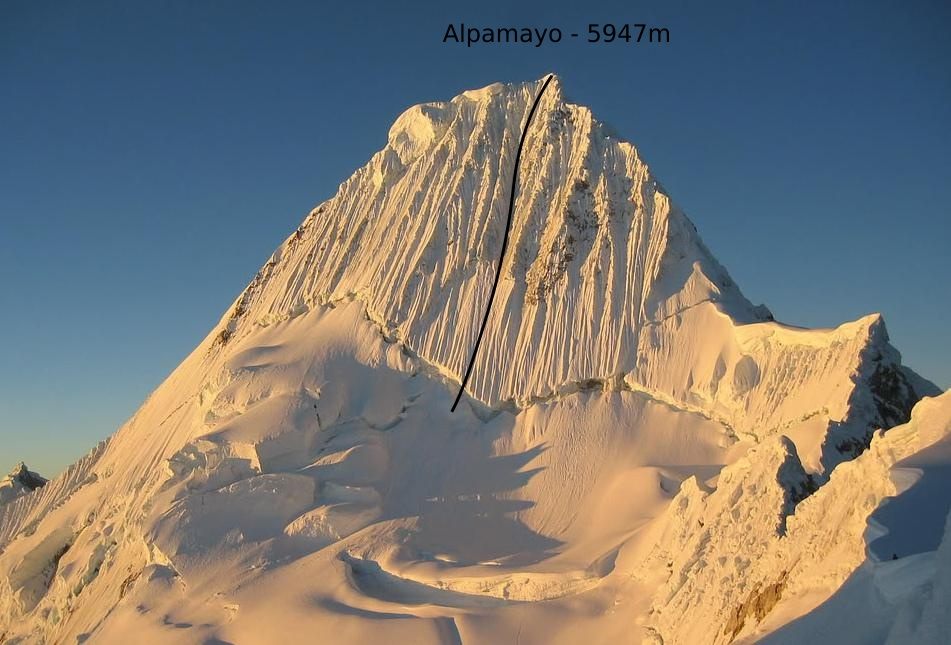
95 km around the north face of Alpamayo (5,947m), considered by many to be the most beautiful mountain in the world, with views of the four peaks over 6,000m of the Pucajircas and the condors soaring over Jancarurish — one of the least-traveled circuits in the Cordillera Blanca. Tap a day to see it on the map.
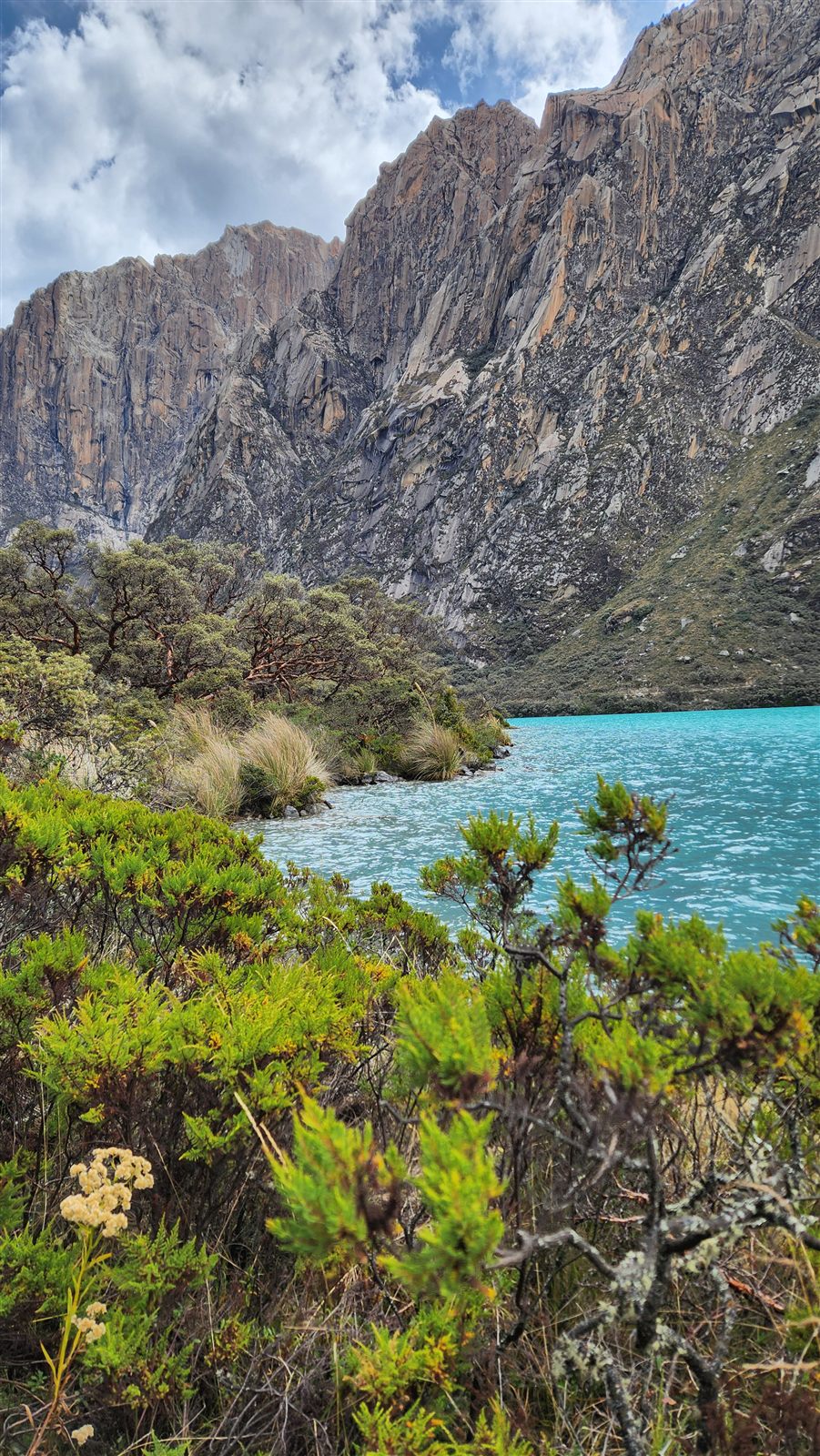
Huaraz → Llanganuco → Vaquería → Tuctu (4,200m)
Bus ride through the Callejón de Huaylas, with stops in Anta and Yungay — buried by the 1970 Huascarán avalanche — before climbing to the Llanganuco valley. After viewing the Chinancocha and Orconcocha lagoons, the bus crosses the Portachuelo pass (4,780m), with views of Huascarán, Chopicalqui, Pisco and the Huandoys, and descends to Vaquería, where the trek begins with muleteers and donkeys to the first campsite at Tuctu (arrival 3:00–4:00pm).
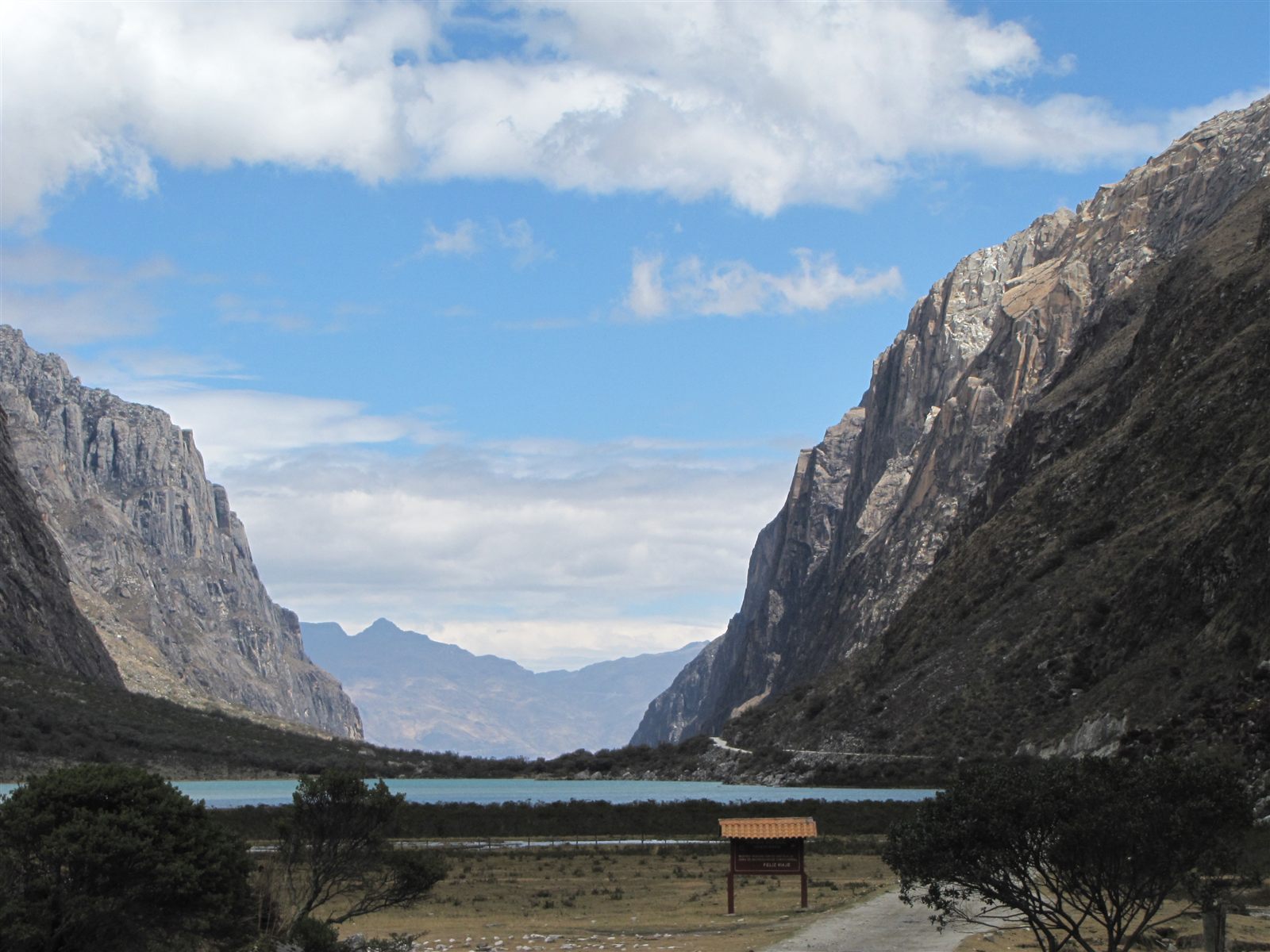
Tuctu → Punta Unión (4,750m) → Tuctu (round trip)
About a 3-hour climb up to Punta Unión, the highest point of this section of the route, with views of Huascarán, Chopicalqui, Contrahierbas and Chacraraju. Return to the same Tuctu campsite for a second night.
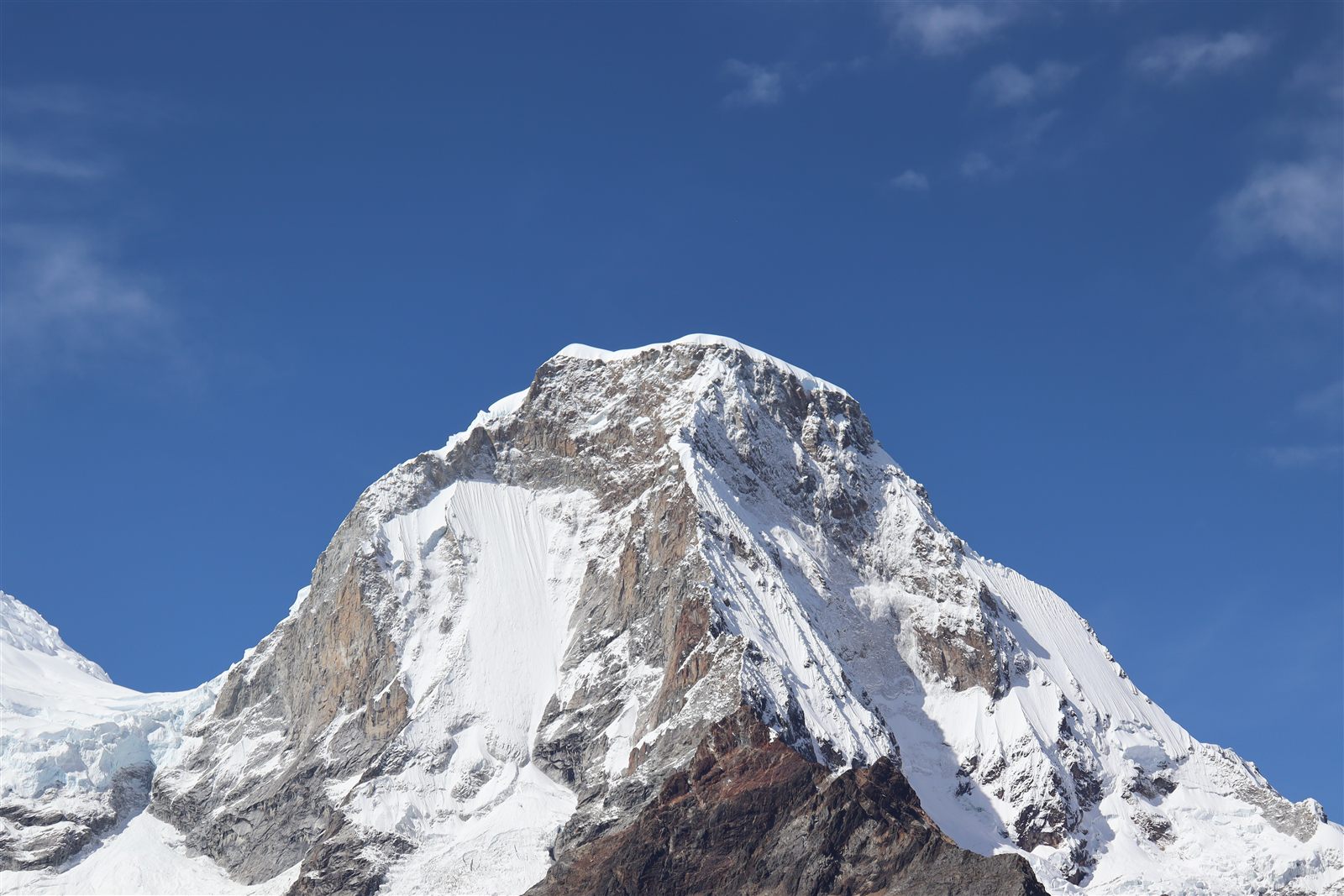
Tuctu → Pucajirca pass (4,640m) → Quisuar (3,900m)
Climb to the Pucajirca pass around 11am, followed by a zigzag descent through grassland and forest. Lunch beside the Huegroncocha lagoon before reaching the village of Quisuar, where camp is set up.
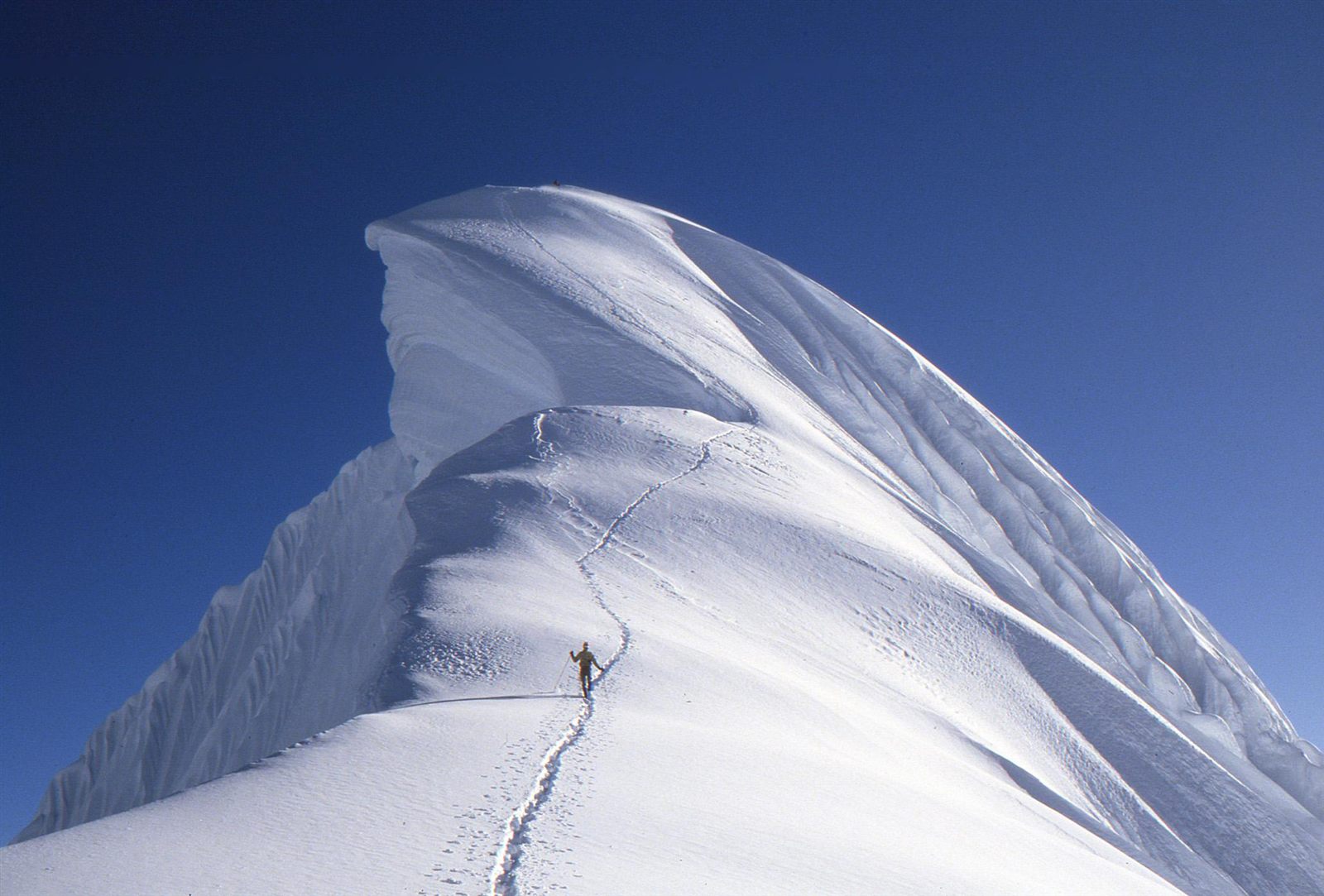
Quisuar → Tupatupa pass (4,400m) → Jancapampa (3,600m)
Moderate ascent through sheep-grazing land up to the Tupatupa pass (about 2h30), with distant views of Taulliraju, the Pucajircas and Contrahierbas. Descent along the base of the Pucajirca massif to the Jancapampa campsite (Pisgopampa).
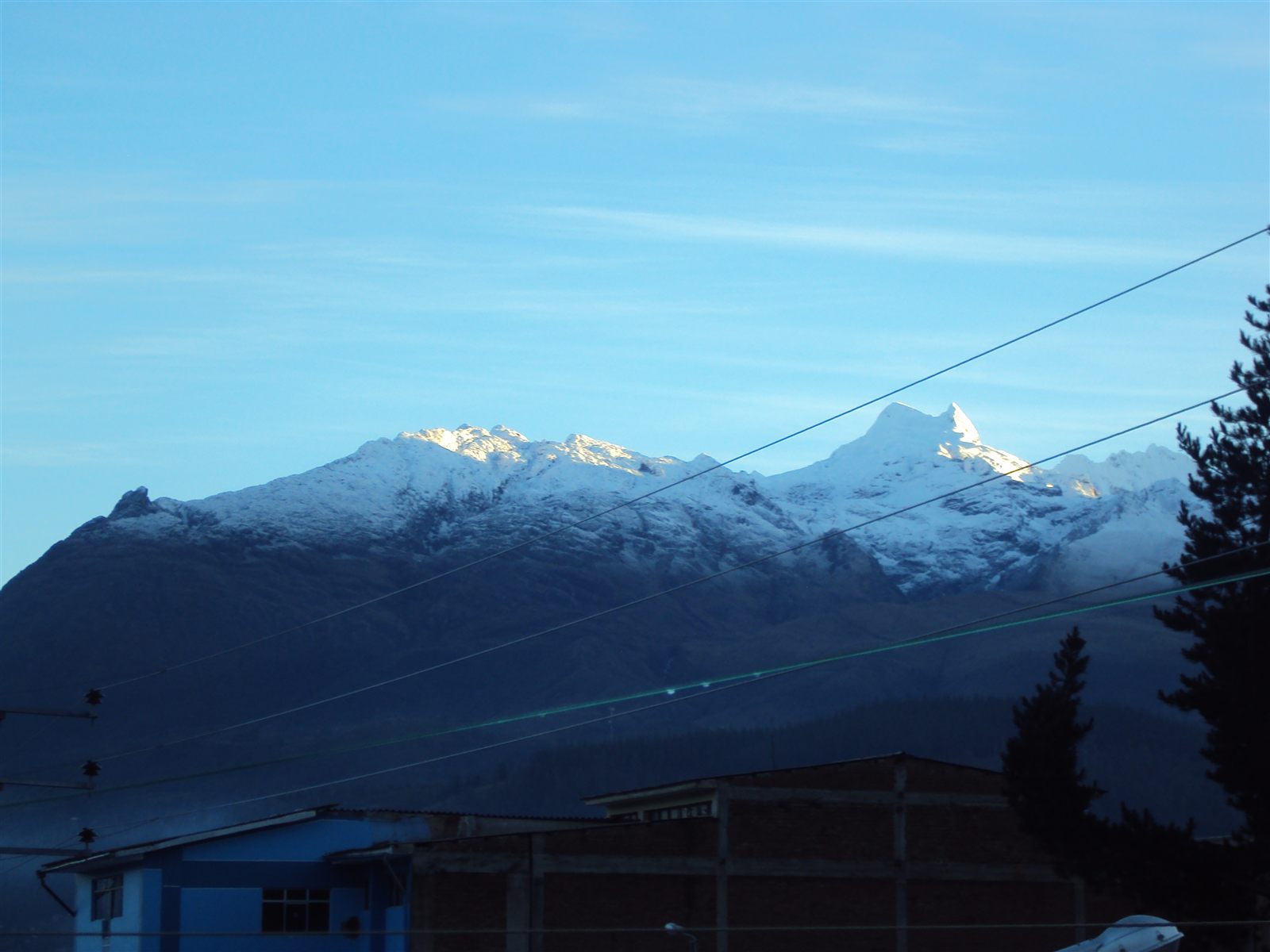
Jancapampa → Jacanacón pass (4,600m) → Tayapampa (4,100m)
About a 3-hour climb through forest to the Jacanacón pass, followed by a descent to Huillca, an alpaca and llama grazing area. River crossing before reaching the Tayapampa campsite.
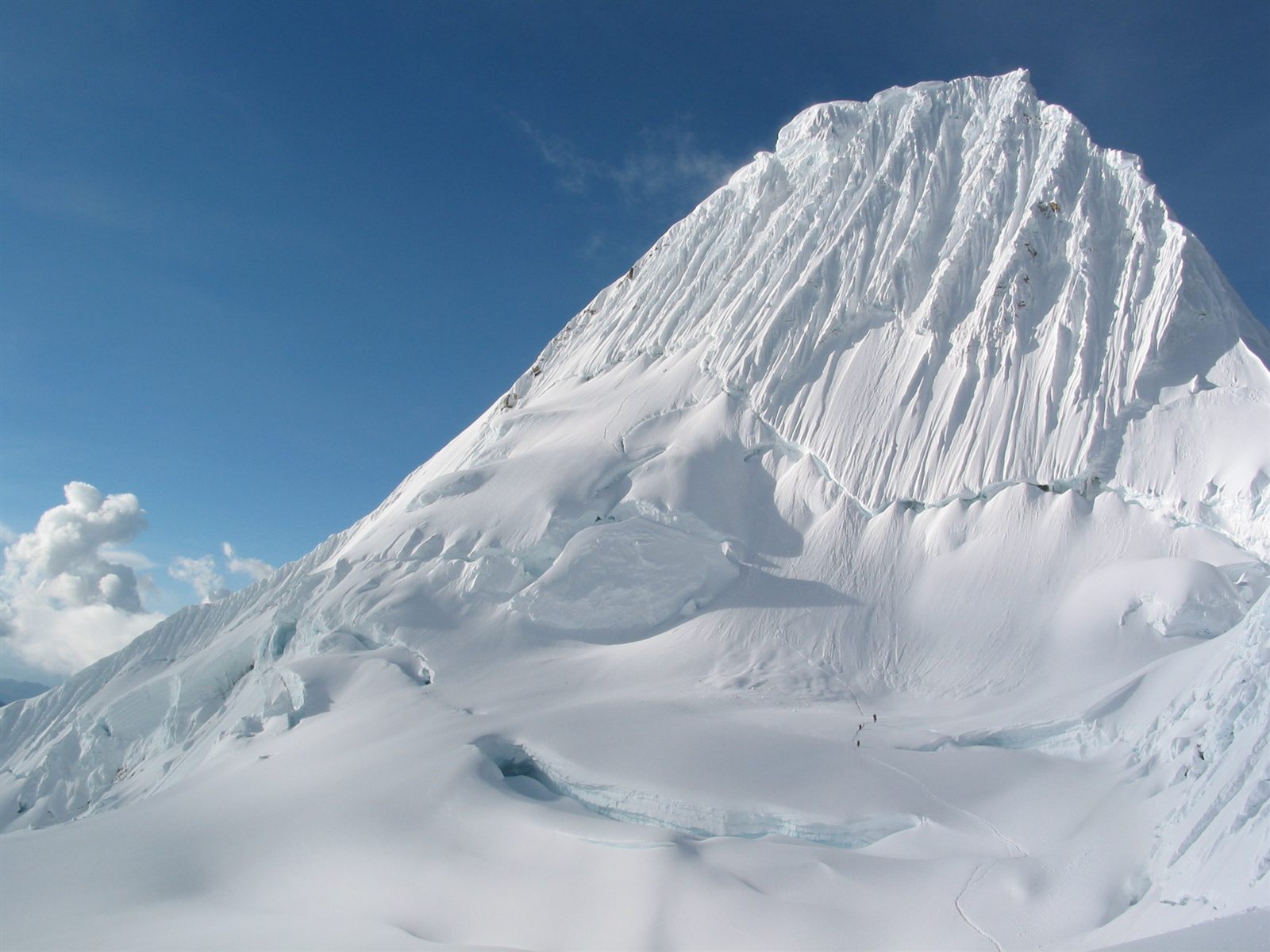
Tayapampa → Mesapata pass (4,460m) → Cara Cara pass (4,800m) → Jancarurish (4,200m)
The longest day of the circuit: Mesapata pass after 1h30, a flat stretch along the Moyobamba valley, and another 3-hour climb up to the Cara Cara pass, with views of Santa Cruz, Alpamayo, Quitaraju and Tayapampa. Descent to Jancarurish, with the west face of Alpamayo already in view.
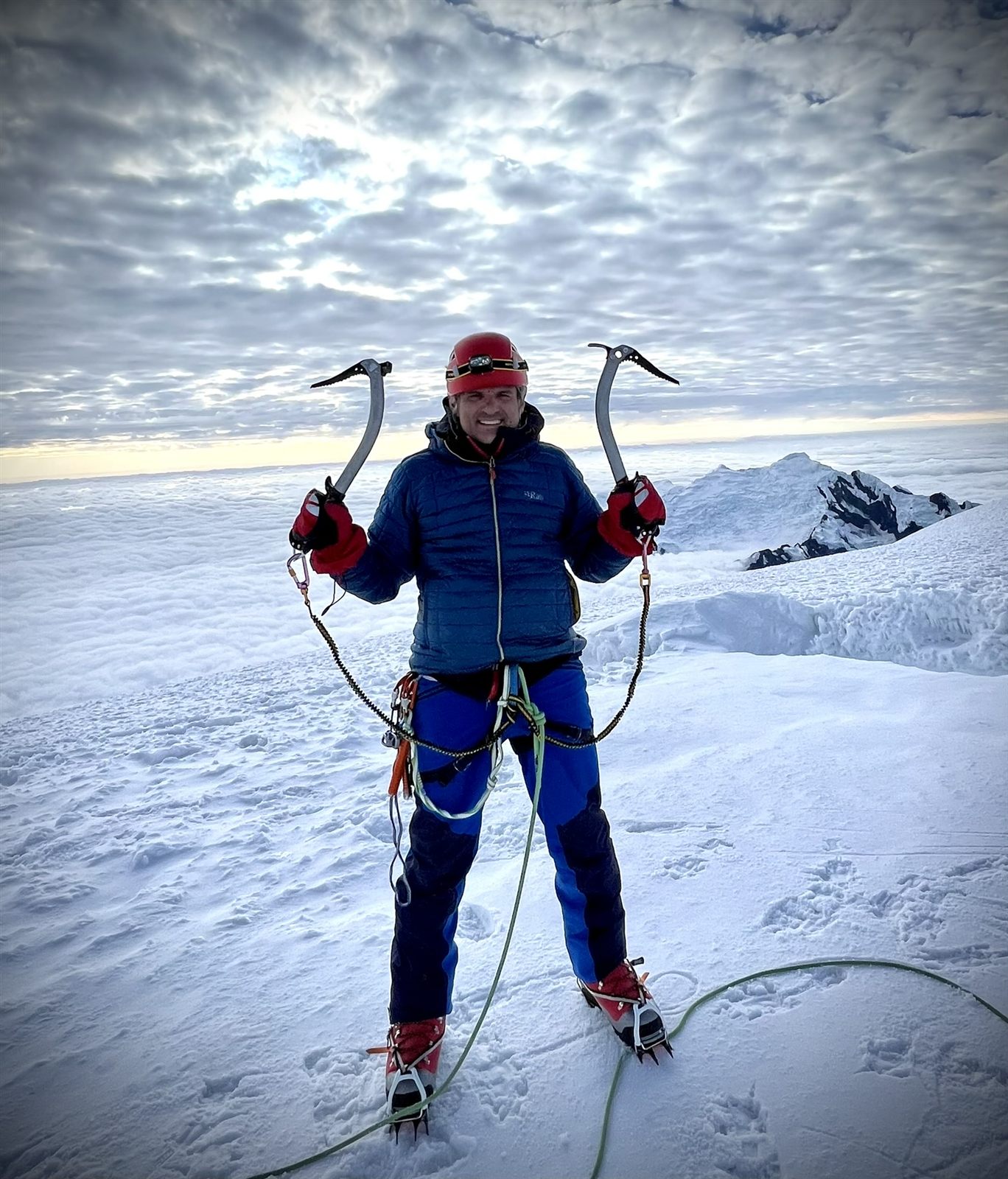
Jancarurish → Alpamayo Base Camp (4,650m) → Ruinapampa (4,025m)
Visit to the Jancarurish lagoon and a walk along the glacier behind the Santa Cruz peak (6,256m) up to the Alpamayo base camp, about 2h30. Return along the same path and on to Ruinapampa, with its pre-Incan terraces.
Ruinapampa → Jatunvientona pass (4,750m) → Osoruri (4,500m)
About a 4-hour zigzag climb up to the Jatunvientona pass, with views of Santa Cruz, Milluaraju and the Cordillera Negra. Early arrival (~3:00pm) at the Osoruri campsite, with a free afternoon to photograph the sunset.
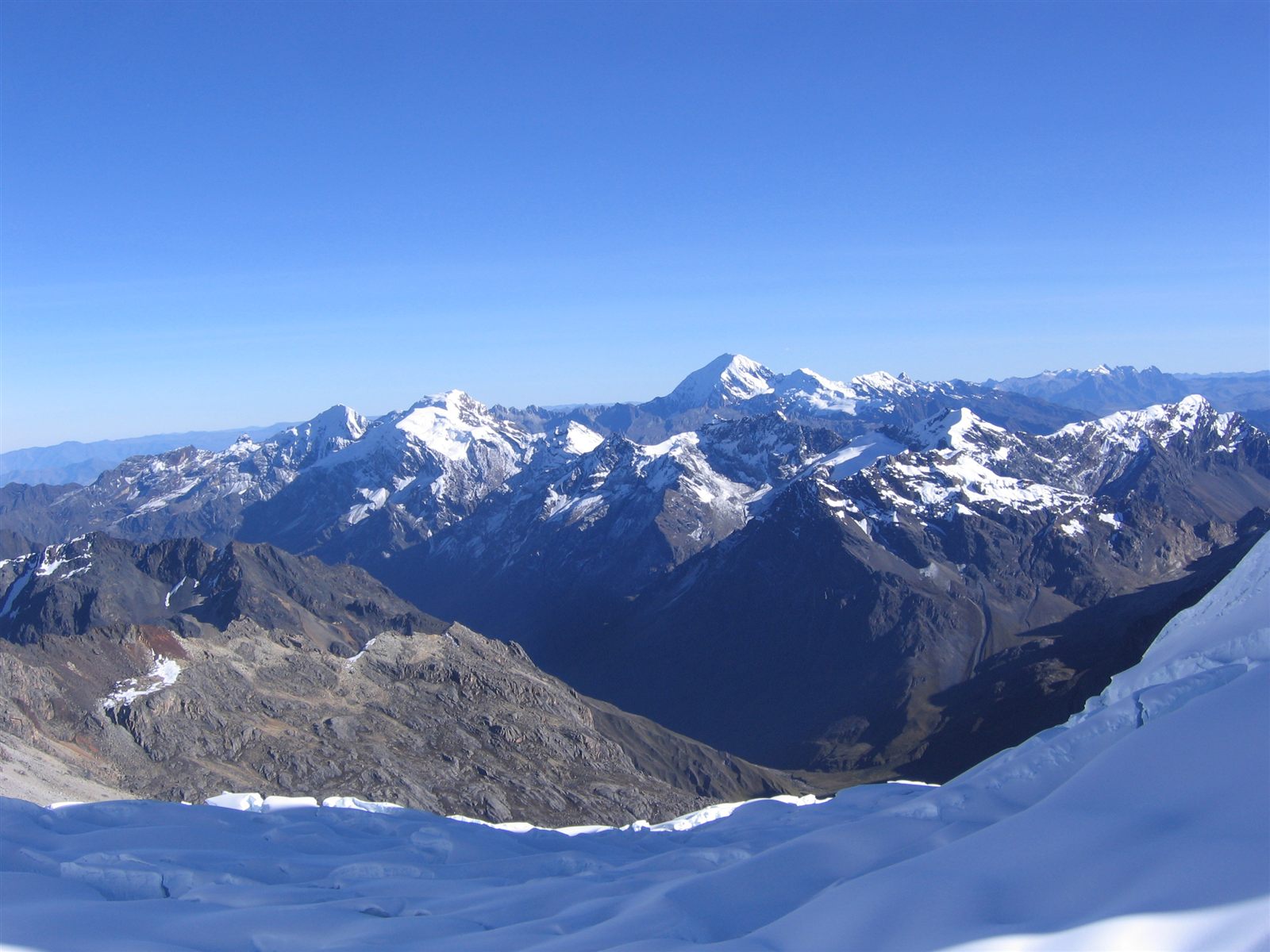
Osoruri → Toropishtanan pass / Cullicocha lagoon (4,900m) → Calamina (3,650m)
A one-hour climb up to the Toropishtanan pass, the highest point of the entire circuit, followed by the descent to Cullicocha lagoon, one of the largest and most beautiful in the Cordillera Blanca, at the foot of the Santa Cruz massif. On to the Calamina campsite, with a sunset over the Cordillera Negra.
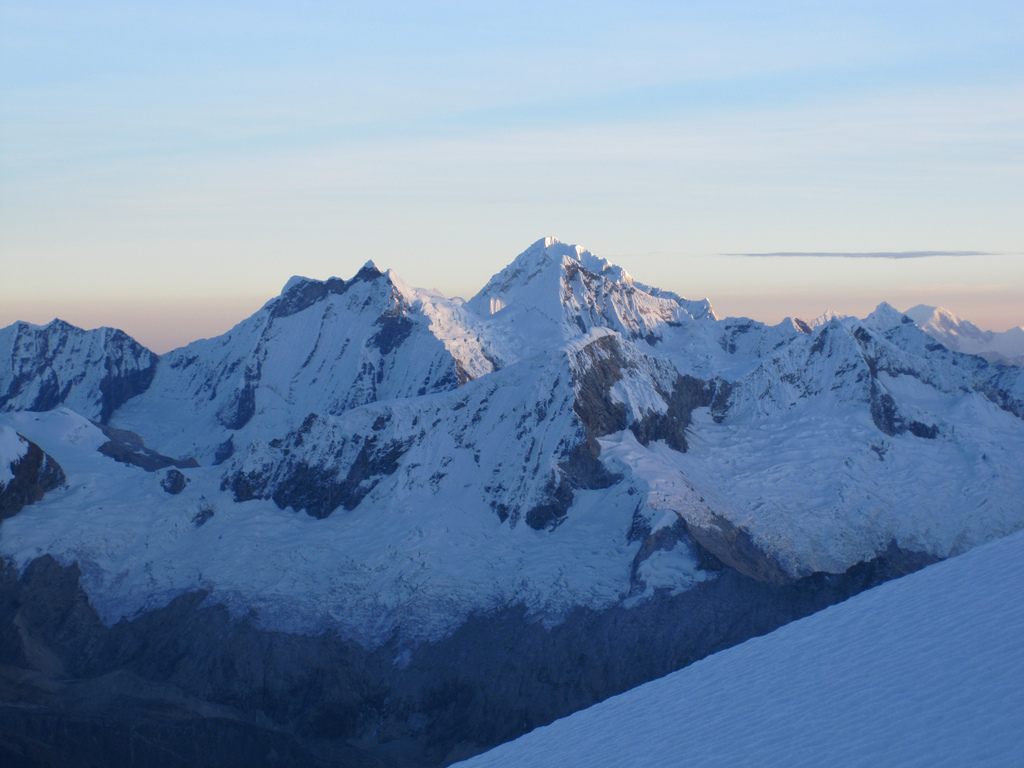
Calamina → Hualcayán → Huaraz
Easy walk of about 3 hours to Hualcayán, the exit checkpoint of Huascarán National Park, followed by a 3-to-4-hour transfer back to Huaraz. Mid-afternoon arrival and farewell dinner in the evening.
Before you book
Everything you need to walk the circuit worry-free — personal gear is on you.